
Table of Contents
- Why Fabric Choice Matters for Busy Lifestyles
- Easy-Care Clothing Fabrics That Skip the Ironing Board
- Breathable Fabrics for Clothing That Keep You Comfortable All Day
- Durable Fabrics for Everyday Wear That Survive Real Life
- Cotton Fabric for Everyday Clothes: What to Look For
- How to Build a Capsule Wardrobe Around the Best Fabrics for Busy Lifestyles
- Conclusion
- Frequently Asked Questions
Last Updated: October 19, 2026
Why Fabric Choice Matters for Busy Lifestyles
The best fabrics for busy lifestyles are the ones that survive a full day of work, school runs, and errands without demanding extra effort. At JW Rose Boutique, we hear from customers constantly: they want clothes that look put together but don't require a second job to maintain. Fabric choice is where that battle is won or lost.
This is the part most shopping guides skip. A garment's fiber content tells you more about your morning routine than the price tag. A cotton-polyester blend with a bit of spandex goes from laundry basket to wearable in minutes. A delicate, high-maintenance fabric can eat an hour of ironing you don't have.
That's the lens we use when choosing pieces for the boutique. Below, we break down the best fabrics for busy lifestyles by category, with care notes, durability expectations, and honest trade-offs for each.
Easy-Care Clothing Fabrics That Skip the Ironing Board
Easy-care clothing fabrics resist wrinkling, dry quickly, and need little to no pressing. The best performers are polyester blends, French terry, and cotton-spandex mixes.
French terry is the workhorse here. It's a knit with a smooth face and a looped back, which means it holds its shape and shrugs off creases. Our Pumpkin Spice Kinda Day French Terry Hoodie ($65.99, 80% cotton, 20% polyester) is a good example: lightweight, unisex fit, and ready to wear straight from the dryer.

Polyester-spandex blends recover their shape after washing and rarely need ironing. The Milton Terry Blend Pullover ($65.99, 95% polyester, 5% spandex) can be dressed up for work or worn casually on a weekend.

| Fabric | Ironing Needed | Dry Time | Best For |
|---|---|---|---|
| French terry | Rarely | Medium | Hoodies, casual layers |
| Polyester-spandex | Almost never | Fast | Pullovers, work tops |
| Cotton-spandex denim | No | Medium | Jeans, everyday pants |
| 100% cotton jersey | Light touch-ups | Fast | Tees, base layers |
Breathable Fabrics for Clothing That Keep You Comfortable All Day
Breathable fabrics for clothing let heat and moisture escape instead of trapping them against your skin. Cotton, cotton-polyester blends, and lightweight scuba knits lead the pack.
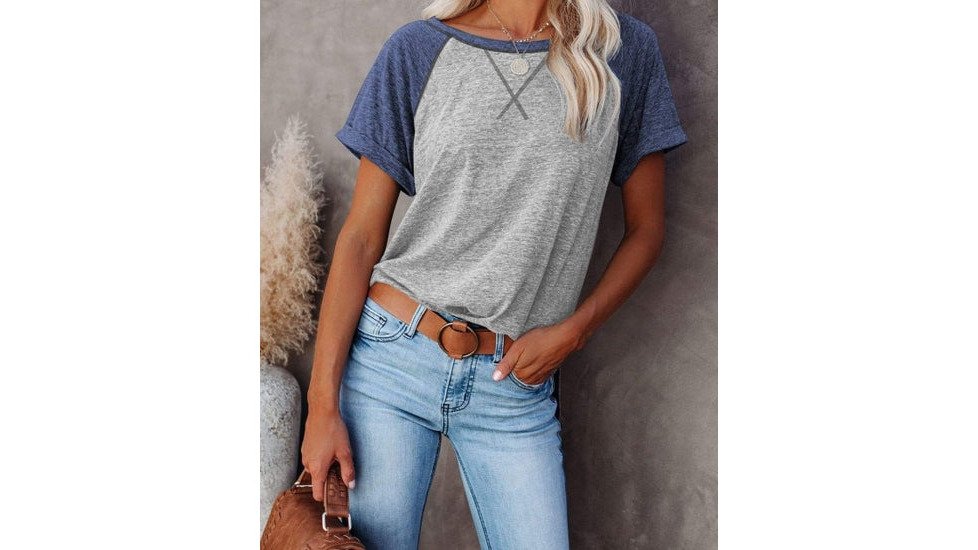
Cotton remains the gold standard for airflow. The Two Tone Raglan Tee ($30.00, 100% cotton) is a light, relaxed option for warm days or layering.
Scuba fabric sounds heavy but breathes better than its name suggests. The Mia Scuba HalfZip ($80.99, 52% polyester, 41% rayon, 7% spandex) has a half-zip that lets you vent heat quickly, which matters when your day swings between a stuffy office and a chilly commute.
Cotton-poly fleece sits in the middle. The Sweater Weather Crewneck ($50.00, 52% cotton, 48% poly fleece) is built for warmth and breathability together, with ribbed cuffs that keep cold air out.
Durable Fabrics for Everyday Wear That Survive Real Life
Durable fabrics for everyday wear share three traits: reinforced construction, shape retention after repeated washing, and resistance to pilling. Heavier knits and denim blends deliver all three.
Stretch denim is a category most people underestimate. Our KanCan High Rise Skinny Jeans ($60.00, 70% cotton, 20% polyester, 2% spandex) bounce back after washing and hold their rise without sagging. The black version ($60.00, 71.6% cotton, 26.7% promodal, 1.7% spandex) adds promodal for extra softness.

Heavyweight cotton blends handle cold weather and frequent wear. The Premium Winter Hoodie ($44.99) uses 350 GSM fabric, 65% combed cotton and 35% polyester, with anti-pilling pre-washing and reinforced stitching. That construction is what separates a hoodie that lasts two seasons from one that lasts five.
KanCan High Rise Skinny Jeans →
Cotton Fabric for Everyday Clothes: What to Look For
Cotton fabric for everyday clothes should be chosen by weight, weave, and blend percentage. Here's what actually matters when you're reading a label.
- Fiber percentage: 100% cotton breathes well but wrinkles. Blends with 20-30% polyester resist creasing and hold shape longer.
- Weight: Look for mid-weight jersey or French terry for year-round wear. Very thin cotton pills and stretches out fast.
- Stretch content: 1-3% spandex adds recovery without losing the cotton feel.
- Finish: Pre-washed or combed cotton feels softer and shrinks less on the first wash.
Care is simple. Machine wash cold, inside out, and lay flat or hang to dry. Skip bleach and fabric softener, which break down cotton fibers over time.
How to Build a Capsule Wardrobe Around the Best Fabrics for Busy Lifestyles
Start with fabric categories, not colors. A capsule built on the best fabrics for busy lifestyles needs roughly 10 to 12 pieces that mix easily and share similar care routines.
Here's a simple checklist we'd use:
- Two pairs of stretch denim in neutral washes
- Three cotton or cotton-blend tees for layering
- Two French terry or fleece tops for cooler days
- One breathable half-zip or pullover for temperature swings
- One pair of comfortable boots that work with jeans and leggings
The Gossip Boots in Whisky ($69.99) fit that last slot: a 2-inch chunky heel, leather finish, and enough comfort for a full day on your feet. A common mistake is buying pieces with wildly different care needs. If half your wardrobe needs hand-washing, you've built a chore list, not a capsule.
If you're local, our in-person open houses let you try pieces on before committing. For everyone else, our return process is designed to be simple, so a sizing miss doesn't turn into a week of shipping back and forth.
Conclusion
Building a wardrobe that keeps up with your schedule comes down to reading fiber labels and choosing fabrics that match how you actually live. Cotton blends, French terry, stretch denim, and breathable knits do the heavy lifting.
At JW Rose Boutique, we curate pieces with exactly that in mind: quality fabrics, a real size range, and options like local pickup and in-person try-ons so you can shop with confidence. Flexible payment options with interest-free installments are available too.
Ready to build a wardrobe that works as hard as you do? Shop now and find your next favorite piece.
Frequently Asked Questions
What is the most comfortable fabric for everyday clothing?
Cotton blends tend to be the most comfortable for everyday wear because they combine softness with stretch and breathability. A cotton-spandex blend like the KanCan High Rise Skinny Jeans (70% cotton, 20% polyester, 2% spandex) moves with you and feels soft against the skin. French terry, used in the Stay Cozy French Terry Sweater (80% cotton, 20% polyester), is another strong choice for busy lifestyles because it is lightweight and breathable without feeling flimsy. Look for fabrics that list cotton first and a small percentage of spandex for give.
Which clothing fabrics are easiest to care for?
Easy-care clothing fabrics are those that resist wrinkling, hold their shape after washing, and do not require special treatment. Cotton-polyester blends and French terry are among the easiest: machine wash cold, hang or lay flat to dry, and they are ready to wear. The Sweater Weather Crewneck (52% cotton, 48% poly fleece) is a good example, with simple washing instructions: machine wash inside out in cold water, no bleach, and hang or lay flat to dry. Avoid fabrics that demand dry cleaning or ironing if your schedule is tight.
Are natural or synthetic fabrics better for busy lifestyles?
Neither is universally better; the best fabrics for busy lifestyles often blend both. Natural fibers like cotton are breathable and soft, while synthetic fibers like polyester and spandex add durability, stretch, and wrinkle resistance. The Premium Winter Hoodie (65% combed cotton, 35% polyester) shows how a blend can combine warmth, anti-pilling performance, and shape retention. For breathable fabrics for clothing, cotton-heavy blends work well; for durable fabrics for everyday wear, a small amount of synthetic fiber helps the garment hold up to repeated washing.
What type of cotton fabric is best for everyday clothes?
Combed cotton and cotton-spandex blends are the best choices for cotton fabric for everyday clothes. Combed cotton has shorter fibers removed, which makes it softer and more durable than standard cotton. The Premium Winter Hoodie uses 65% combed cotton for a smooth feel that resists pilling. For stretch and recovery, look for cotton blended with a small amount of spandex, as in the KanCan jeans. 100% cotton, like the Two Tone Raglan Tee, is breathable and easy to wash but may wrinkle more, so it suits casual days rather than formal settings.